
You’re currently driven by the need for:
Control
You naturally pay attention to structure, clarity, responsibility, rules, boundaries, authority, risk aversion, and plan for what could go wrong.
You likely feel calmer when things are organized, everyone is clear on the plan and who’s responsible for what.
Needs Theory
THREE HUMAN NEEDS
*Three dominant needs shape much of our behavior. Just like your body has physical needs (food, sleep, water), think of these needs, as motivators, inner subconscious values or as I like to call them: driving forces.
Achievement

Control
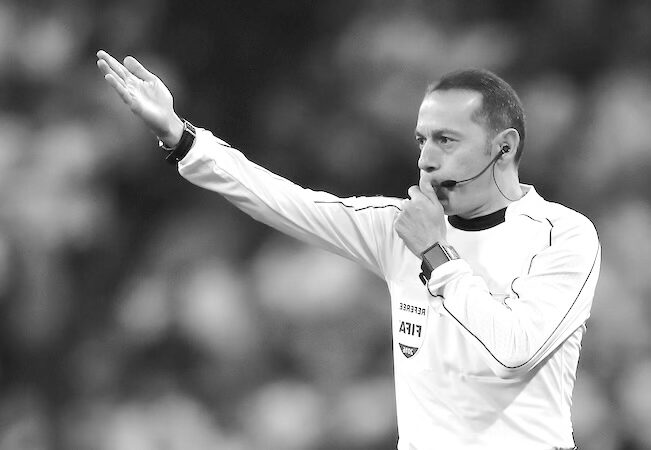
Relationships

Everyone is influenced by all three driving forces, but relative need differs from person to person & even for the same person at different times—creating distinctive approaches and potential blindspots.

* Based on Needs Theory and the research of renowned psychologist, Dr David McClelland who joined Harvard University in 1956 as Professor of Psychology and Director of its doctoral programme in clinical psychology, later chairing the Department of Social Relations.
So, What Does Being “Control-Driven” Really Mean For You?
The Good News
People with a Control focus tend to be reliable, prepared, firm, and protective.
They take responsibilities seriously and are often trusted with authority …
They can make and enforce tough decisions,
holding people accountable without too much inner conflict,
possibly because of their high sense of duty, responsibility, accountability, fairness, or a natural respect for rules and order.
At their best, people who are Control-driven, can create a sense of clarity, security and stability for others.
These are some of the natural strengths your results indicate

Turning Chaos Into Order
When people are improvising, guessing, reacting emotionally, or moving without direction, you can step in and create structure.
You help turn scattered effort into organized action, and you often bring a calmer sense of direction, clarity and authority when things start to feel messy.
You are likely to notice confusion before it becomes chaotic
.
Devising & Running Systems
No matter what it is, you probably have a good system for doing it.
Something that is more reliable than human error and mood swings.
As a Systems Thinker, you like to be clear on roles, responsibilities, rules, processes, and follow-through.
Being a systems thinker allows you to keep track of things and enhances your leadership style.


Planning & Managing Risk
You see weakness in a plan., before others do. Your sharp attention to missing details, unclear agreements or vague promises, allows you to predict possible complications.
Others may feel this is excessive, but when things go south, you like to be ready.
You might lean towards formal agreements, contracts, documentation and other measures that mitigate risk.
You like to have a Plan B, & C if possible.
The Not So Good NEWS
I won’t sugarcoat this, here are the blindspots you need to watch out for
Slowing Down Achievement
With too much focus on controlling things, you may risk preparing, reviewing, and refining the perfect plans while the opportunity slips by.
You also risk alienating those eager to act upon an opportunity. fast. That’s when achievement focused people might label you a bureaucrat!
Though I think that would be unfair, surely you can see how too much focus on efficiency, rules and control, could potentially grind things to a halt,
Putting Relationships at Risk
When you over indulge in the need for control, people might complain they don’t like to be “managed”.
Efficiency, systems, and rules, are important, but not taking into account the human factor can backfire.
“Even when you are officially, technically, or contractually within your rights, sometimes the issue is not who is right or wrong. Sometimes it is about loyalty, forgiveness, and showing others empathy.”
Slow Adaptation to Change
Even good systems can become limitations.
You may become too attached to the rules, the plan, the process, or the “right way” of doing things. Instead of asking what the situation needs now, you may keep defending the structure you already trust.
The risk is resisting useful change because of the safety and security of the tried and tested.
At their worst, people who are over focused on Control, can obsess over rules, authority, plans terms, procedures and systems. This can inspire resistance, alienating those around them, stress relationships, and slow down achievements or adaptation to change.
Can you stay true to yourself, and still develop beyond it?
Finding Balance
Absolutely! Here are three experiments to try this week.
Prefer Action to Perfection
Do not wait for the perfect plan. Do not keep reviewing every possible risk. Take one controlled action and learn from what happens.
Choose one decision or task this week where you already have enough information.
Take a safe next step, not a perfect one.
Warmth before Correction
In one conversation this week, resist the urge to correct, clarify, organize, or control the situation.
Start by showing that you understand the person.The goal is not to become soft.
The goal is to make sure people feel respected before they feel managed.
New Rule Upgrade
Pick one rule, habit, process, or routine you have been following for a some time.
Choose something low-risk. Not a major life decision. Nothing with serious consequences.
Then look for a better, way, method or rule.
Learn from others and test the unfamiliar before rejecting.
Watch This Video
Dig deeper into the Concept
Naturally and Effortlessly Find Balance
Between Your Driving Forces
Learn while you Relax. Because change doesn’t have to be hard.